
Norton Shed Removal Services
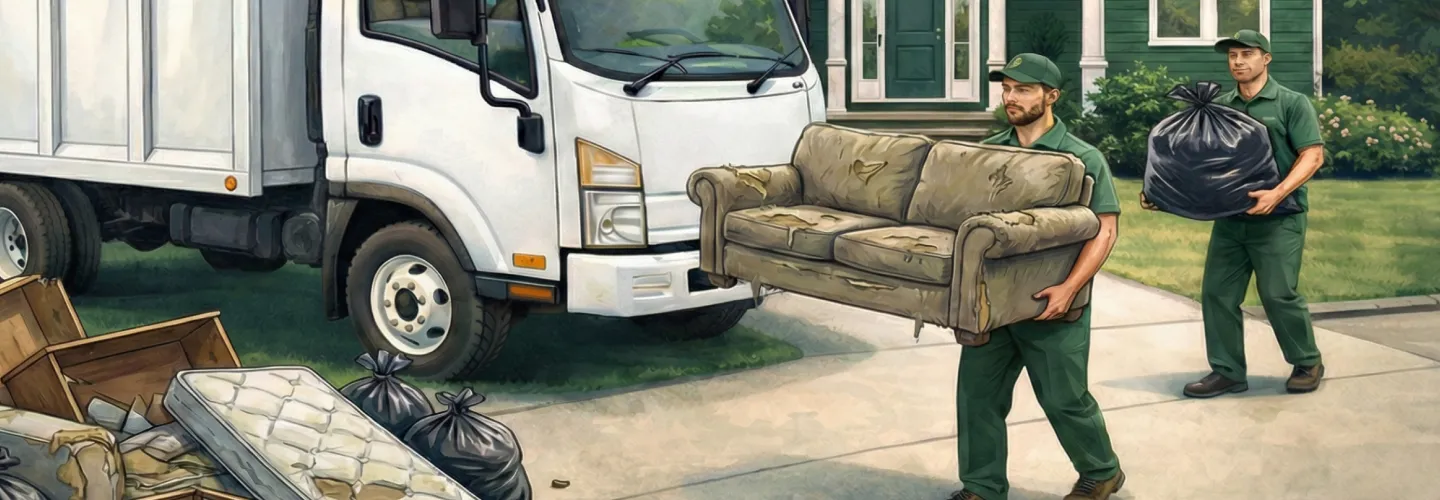
Choose our shed removal service for a seamless, stress-free experience—our expert team handles everything from dismantling to disposal, ensuring your property is left clean and ready for your next project.
Get a Free QuoteOur Norton Junk Removal Services
Shed Removal in Norton, MA – Local Service Guide
Shed removal in Norton, MA is a common need for homeowners looking to reclaim yard space, upgrade outdoor structures, or address storm damage. In neighborhoods like Barrowsville and Chartley, residents often schedule shed removal during spring cleanouts, after severe weather, or when replacing aging storage units. Local disposal options include recycling metal components, donating usable materials, or arranging for responsible disposal through licensed haulers. Access can be a challenge in backyards with limited entry or during wet seasons, so planning around weather and property layout is key. For larger or older sheds, professional removal ensures safe dismantling and compliance with local regulations. Always check Norton’s guidelines for debris disposal and permit requirements to avoid delays or fines. For more on local rules and resources, visit the official Norton town website.
Key Considerations for Shed Removal in Norton
- Timing: Schedule around spring/fall cleanouts or after storms
- Permits: Check if a demolition permit is required
- Disposal Channels: Use recycling, donation, or licensed haulers
- Access: Plan for tight spaces or wet ground conditions
- Volume: Estimate debris for proper hauling
- Coordination: Notify neighbors if access or noise may be an issue
Benefits of Shed Removal in Norton
Fast Shed Removal Services
Eco-Friendly Disposal
Licensed and Insured Team
No Hidden Fees
Flexible Scheduling Options
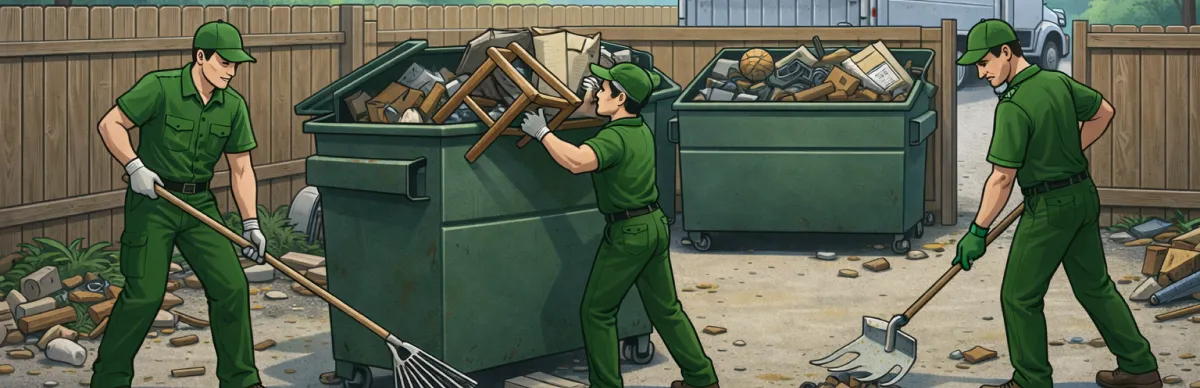
Comprehensive Site Cleanup
Coordinating Shed Removal with Norton’s Department of Public Works and Solid Waste Programs
Proper shed removal in Norton, MA requires coordination with the Department of Public Works (DPW) to ensure compliance with local solid waste management protocols. Residents must schedule bulk waste pickups in advance, as unscheduled or improperly placed debris may result in code violations. The Norton Transfer Station, located at 201 Hill Street, accepts demolition debris Monday through Saturday from 7:00 AM to 3:30 PM; a valid resident permit is required for access. Disposal fees are typically $35 per ton, with a $10 minimum charge. Key steps include:
- Scheduling bulk pickup at least 48 hours in advance through DPW
- Ensuring all shed materials are free of hazardous substances
- Transporting debris to the transfer station if self-hauling
- Presenting proof of residency for facility access
- Paying applicable disposal fees by volume or weight
Department of Public Works
70 East Main Street, Norton, MA 02766
Phone: (508) 285-0260
Official Website: Department of Public Works
Understanding Norton’s Permit and Code Enforcement Requirements for Shed Demolition
Before dismantling a shed in Norton, residents must verify permit requirements with the Building Department. Structures over 200 square feet or those with electrical connections typically require a demolition permit. Permit applications should be submitted at least five business days prior to work, and fees range from $25 to $75 depending on project scope. Code enforcement officers may inspect the site to ensure compliance with local ordinances, including:
- Proper containment of debris to prevent windblown litter
- Adherence to noise ordinances (work hours: 7:00 AM–7:00 PM)
- Safe removal of hazardous materials (lead paint, asbestos)
- Right-of-way permits for dumpsters or removal trucks on public streets
- Notification of abutting property owners if required
Building Department
70 East Main Street, Norton, MA 02766
Phone: (508) 285-0270
Official Website: Building Department
Environmental Compliance: Massachusetts Solid Waste Laws and Norton’s Recycling Mandates
Shed removal projects in Norton must comply with Massachusetts solid waste regulations, including landfill bans on certain materials. The Massachusetts Department of Environmental Protection (MassDEP) prohibits disposal of items such as electronics, appliances with refrigerants, and mercury-containing products in regular trash. Residents are required to:
- Separate recyclable materials (metal, wood, clean fill) from general debris
- Deliver banned items to designated recycling or hazardous waste facilities
- Avoid landfill disposal of e-waste and mercury products
- Use licensed contractors for refrigerant recovery from appliances
- Consult MassDEP’s How & Where to Recycle for accepted items
Massachusetts Department of Environmental Protection
Boston, MA 02114
Phone: (617) 292-5500
Official Website: Massachusetts Department of Environmental Protection
Prohibited Items and Proper Material Handling for Shed Removal in Norton
Norton enforces strict guidelines on materials that may not be disposed of through municipal waste streams. Prohibited items include hazardous waste (paints, solvents, pesticides), asbestos, lead-based materials, and electronics. Residents must:
- Remove and separately dispose of hazardous substances at the Household Hazardous Waste facility (789 Elm Street, Saturdays 8:00 AM–2:00 PM)
- Arrange for certified abatement if asbestos or lead paint is present
- Recycle metal and clean wood at the transfer station
- Avoid placing prohibited items in curbside or bulk waste pickups
- Consult the Resource Conservation and Recovery Act (RCRA) for federal hazardous waste guidelines
Health Department
70 East Main Street, Norton, MA 02766
Phone: (508) 285-0263
Official Website: Health Department
What Neighborhoods Do We Serve Throughout Norton, MA?
- Chartley: Predominantly single-family homes with large yards; driveway access is common, but older sheds may contain lead paint or asbestos, requiring specialized handling and abatement.
- Norton Center: Historic district with older structures and narrow streets; right-of-way permits are often needed for removal trucks, and parking restrictions may apply during weekday hours.
- Barrowsville: Mix of residential and light commercial properties; multi-family units may require coordination with property managers for access and debris staging.
- Winnecunnet: Lakeside community with seasonal homes; soft ground conditions and limited street width can affect equipment access, especially during spring thaw.
- East Norton: Suburban area with newer developments; wide driveways facilitate dumpster placement, but HOA approval may be required for visible debris storage.
- West Norton: Rural properties with long driveways and outbuildings; site assessment is recommended to avoid damage to septic systems or underground utilities during shed removal.
- Norton Grove: Senior living and retirement communities; downsizing projects are common, and service elevator or exterior access may be necessary for debris removal.